Shizuka Ryokan is hosting a Japanese yoga retreat in early 2020. The focus of the 3-day retreat is Japanese yoga and macrobiotics.
Japanese culture honours seasonal change. Japan has five seasons: summer, autumn, winter, spring and tsuyu—the rainy season. The Japanese pay close attention to the blessings of each season, and Japanese yoga poses change according to the time of year.
Japanese yoga is underpinned by the theory of the five
elements, and the idea that different energy channels, or meridians, in the
body correspond with certain organs.
In the early 1900s, Nakamura Tempu spent time in Nepal and
India studying traditional yogic practices. He combined traditional yoga with
five element theory to create shinshin-toitsu-do—Japanese yoga.
Japanese yoga teaches four basic principles to unify the
mind and body:
use the mind in a positive way
use the mind with full concentration
use the body naturally
train the body gradually, systematically and continuously.
Join Cate Peterson and Lars Skalman at Shizuka Ryokan this November on a journey of five element yoga. Visit their Seasonal Yoga website to learn more.
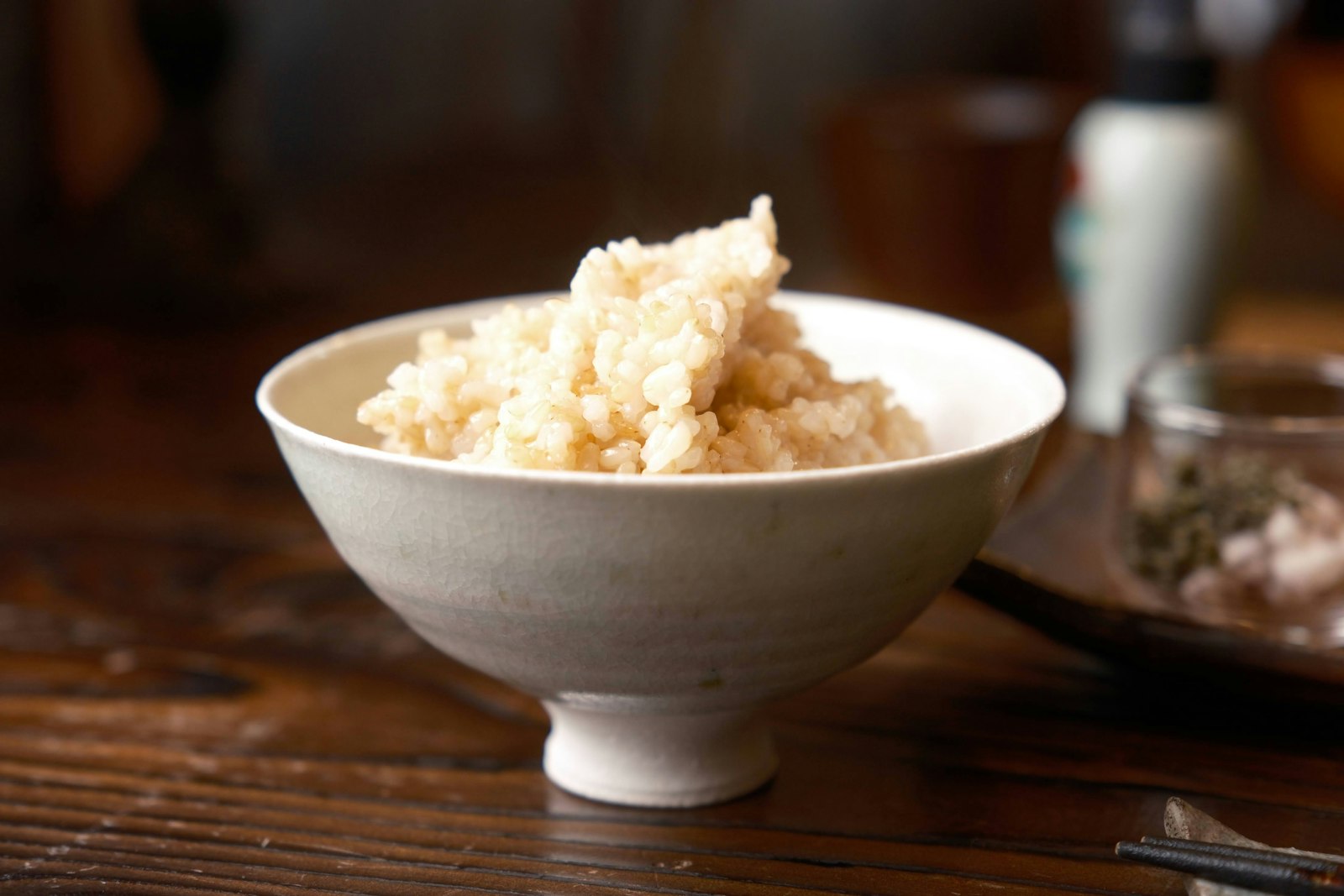
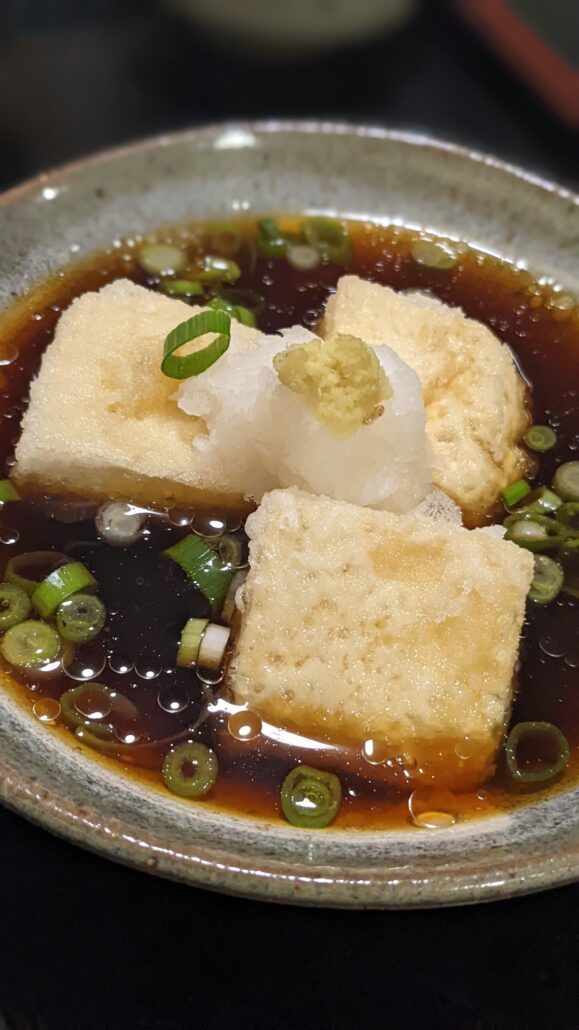
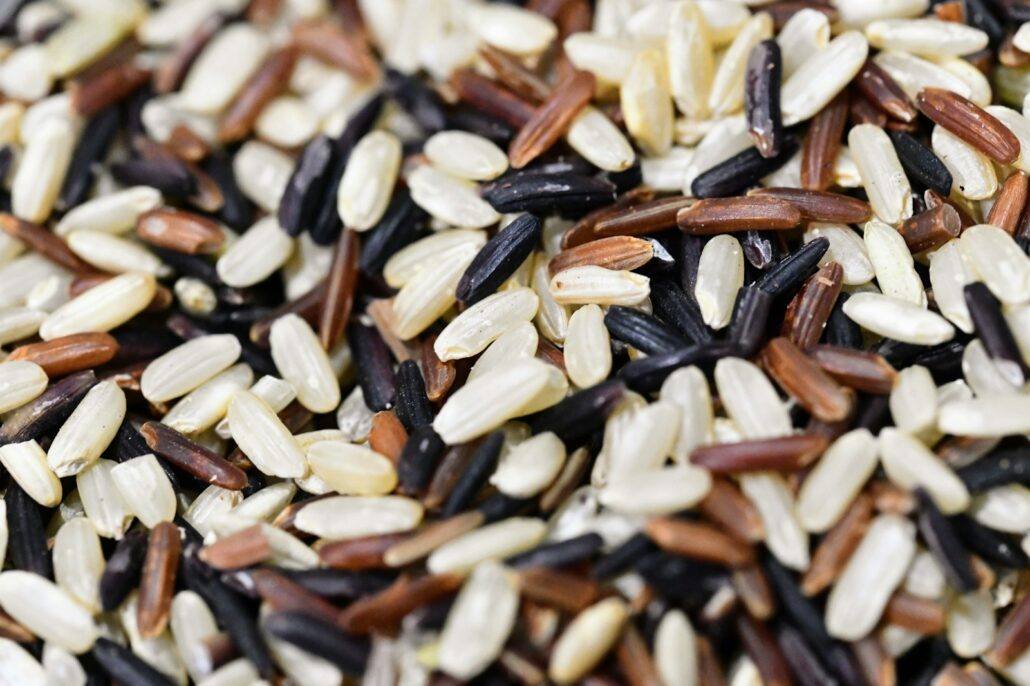
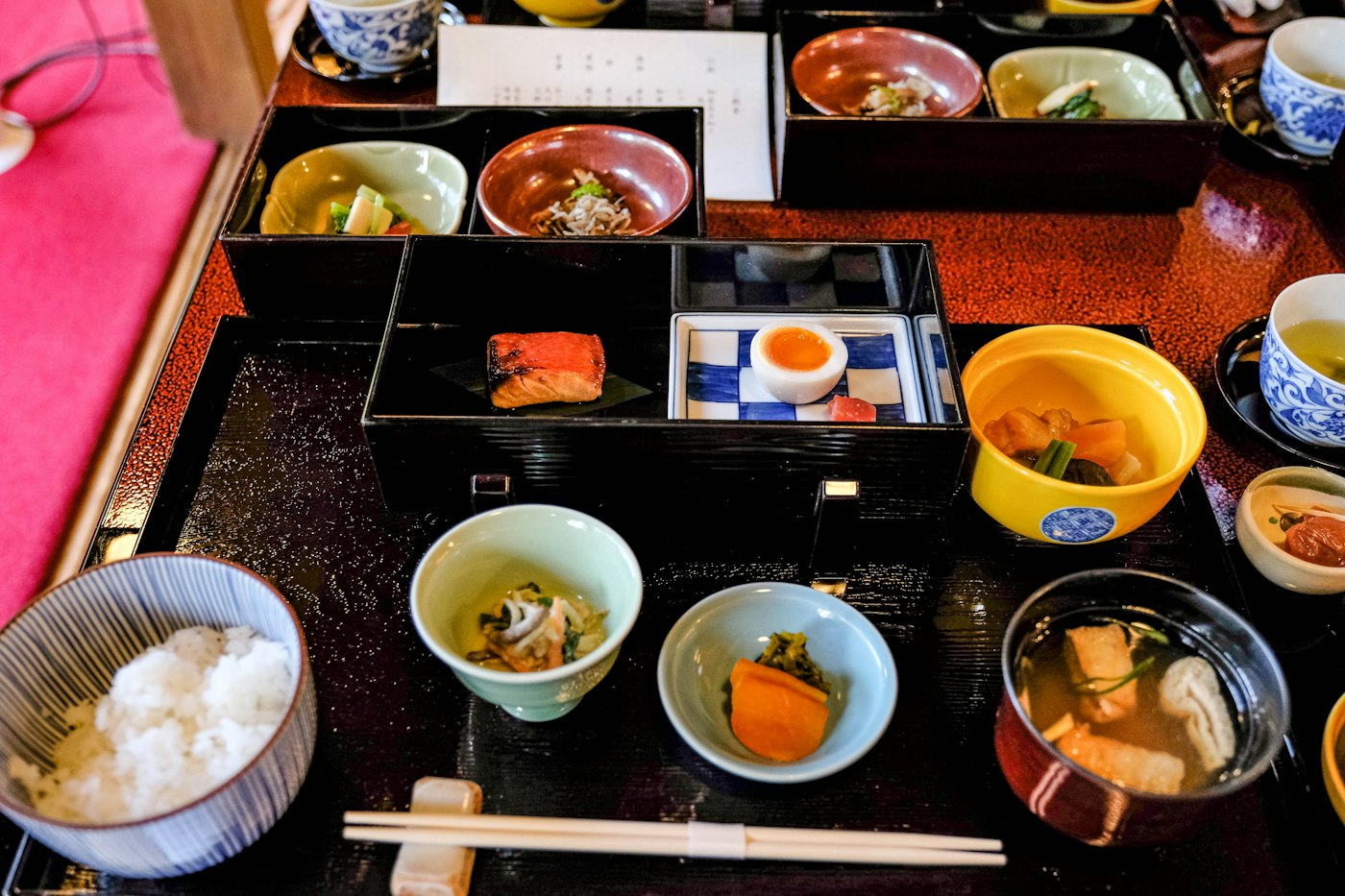
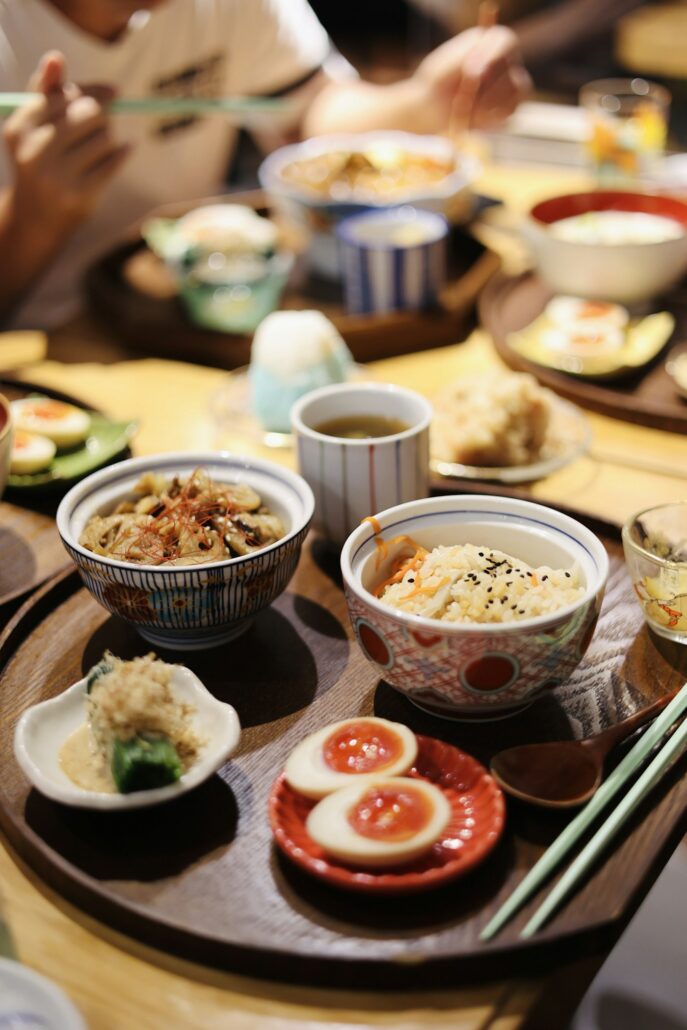
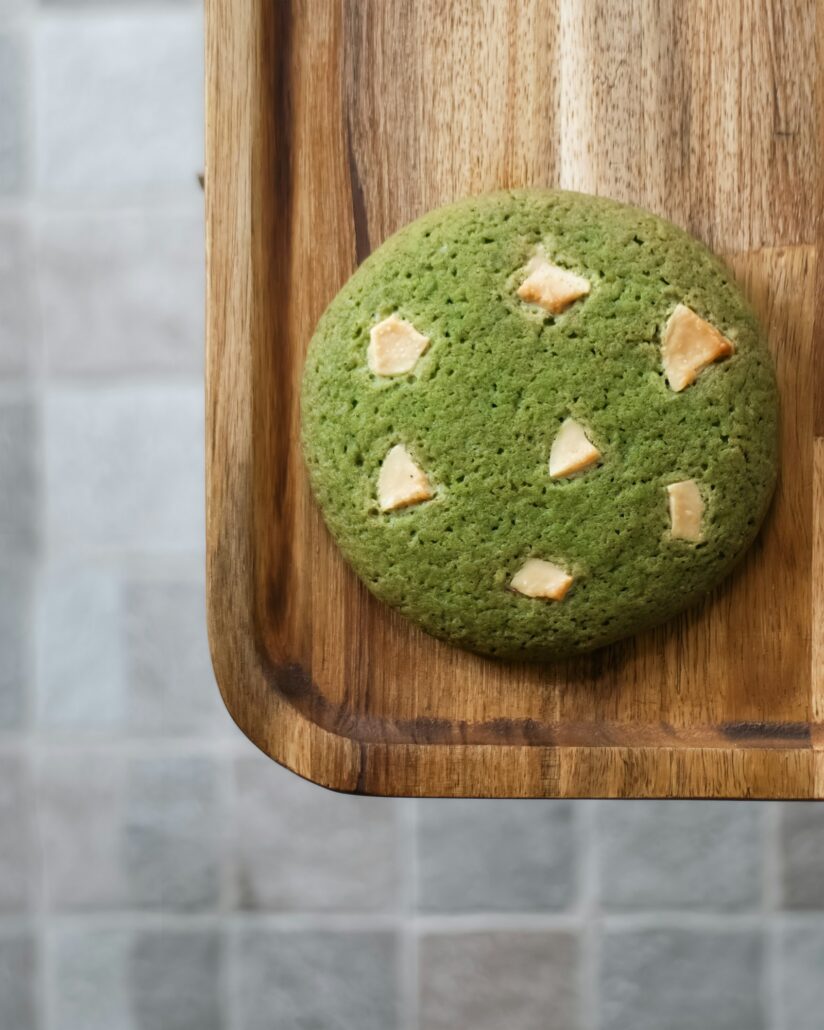
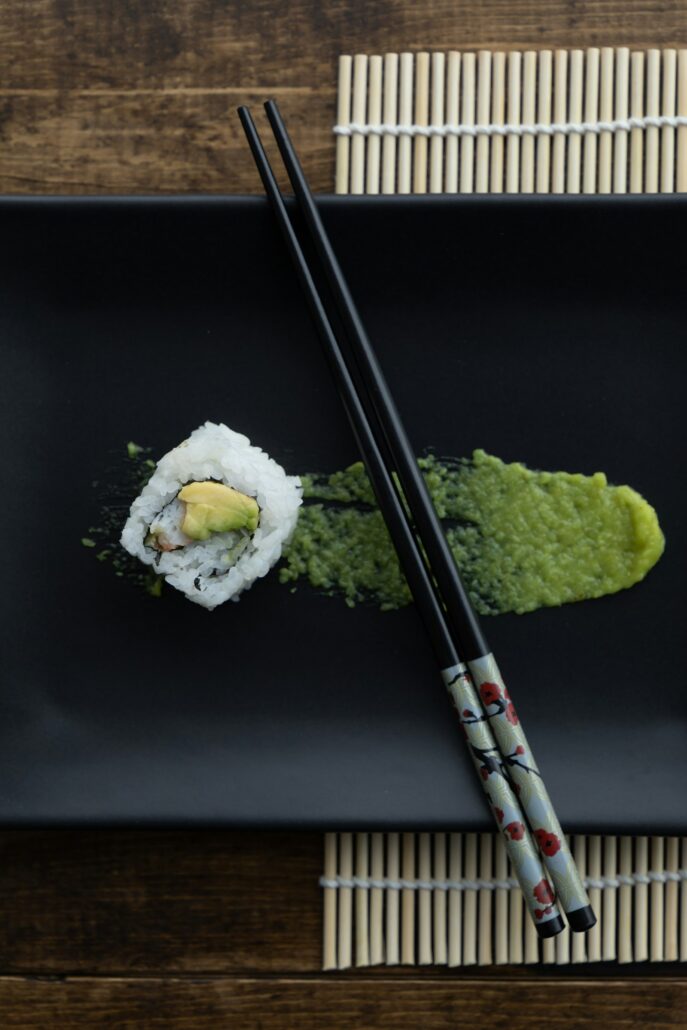
At Shizuka Ryokan, we host many retreats and workshops throughout the year. One that we are very excited about is the 2019 Seasonal Summer Yoga Retreat. Over three days in November, Cate Peterson and Lars Skalman will be at Shizuka Ryokan teaching Japanese yoga and macrobiotic cooking. (The beautiful photograph accompanying this post is from a collection of macrobiotic recipes by Lars Skalman.)
Many people are familiar with yoga (learn more about Japanese yoga here), but they may not know what macrobiotics is. Here is a brief introduction.
George Oshawa, is seen as the father of macrobiotics. Ohsawa
recovered from tuberculosis in 1911 using a seasonal wholefoods diet recommended
to him by Dr Ishizuka. Dr Ishizuka had a theory that good health was the result
of the correct balance of potassium, sodium, acid and alkaline in the diet.
The macrobiotic diet was popularised by Oshawa in the 1930s.
Ohsawa trained students, including Michio and Aveline Kushi, who spread the
ideas of macrobiotics throughout the West.
In the late 1970s, there was an explosion of interest in traditional medicine around the world (perhaps helped along by the handsome Bruce Lee). Westerners studied traditional eastern philosophies and practices such as shiatsu, martial arts, nine-ki astrology, reiki, meditation, the I Ching, Traditional Chinese Medicine, acupuncture, ta’i chi and macrobiotics.
Macrobiotics is based on the idea that each of us is responsible for our own health. A macrobiotic diet is a pescatarian (or sometimes vegetarian or vegan) diet. It is based upon Zen Buddhist concepts about food. The macrobiotic diet attempts to balance the yin and yang elements of food and cookware.
The macrobiotic diet aims to reduce animal products, eat locally grown foods which are in season, and eat in moderation. Macrobiotics favours locally grown wholegrain cereals, pulses, vegetables, seaweeds, fermented soy products and fruit. For example, soba noodles (buckwheat flour), umeboshi plum and bancha tea are recommended.
Members of the nightshade family such as tomatoes, capsicums, potatoes and eggplant are used sparingly as they are considered to be extremely yin. Cooking utensils should be made from wood or glass, non-stick coating and plastics are avoided.
If you are keen to learn more about macrobiotics, and to see it is a modern-day context, why not come along to the Summer Seasonal Yoga Retreat. You’ll learn from the experts how to prepare seasonal macrobiotic dishes such as beetroot and arame pickles, salt and pepper tofu with black bean sauce, sweet rice pudding and vegetable pakoras. YUM!
The Summer Seasonal Yoga Treat combines the ancient oriental wisdom of seasonal living, yoga practice, macrobiotic cooking and Japanese shiatsu massage. Join Lars Skalman and Cate Peterson for a weekend retreat at Shizuka Ryokan.
“According to the Oriental view of the cosmos everything, including the seasons, are governed or described by what are known as the five elements. These are: fire, water, earth, wood and metal. Summer is governed by fire which is associated with expansion.”
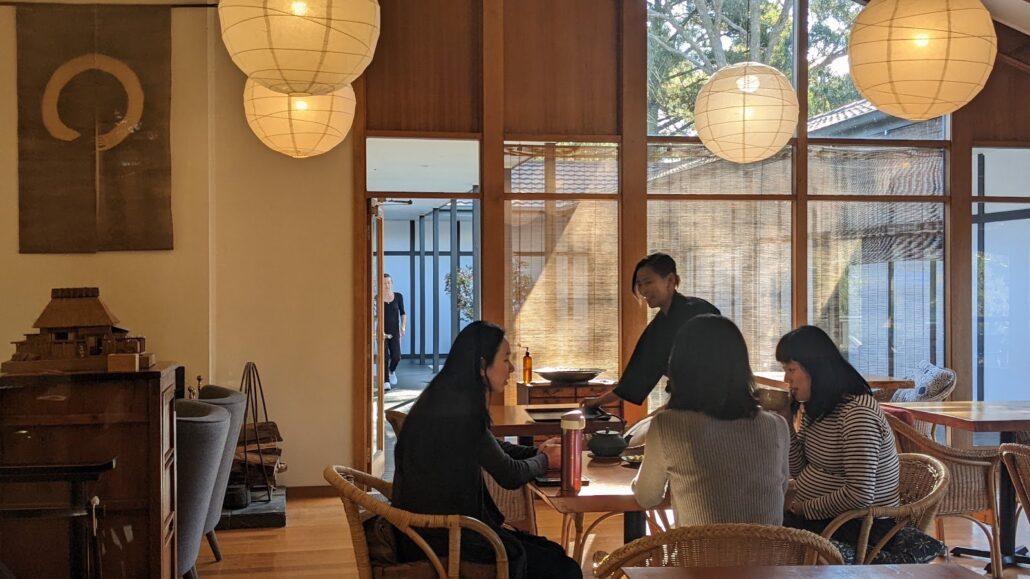
Join us at Shizuka Ryokan for a delicious weekend of summer yoga, delicious vegetarian food and fun. Shizuka Ryokan is one of Victoria’s premier wellness retreats. Located in Daylesford spa country, simply being surrounded by the manicured gardens and the quiet of a traditional ryokan is a grounding treat. Shiatsu, a type of traditional Japanese bodywork, is on offer.
From Friday until Sunday afternoon we practice yoga, mindfulness and technique to fully embody the summer season. We have chosen practices that suit beginners and the experienced alike. Along with the carefully curated menu, our intention is that you experience a joyful and energetic start to the season.
Summer is a time for eating light foods that assist with cooling our bodies. You will learn the principles that guide food preparation in this season and techniques and practices to take your health into your own hands. Learn and work on your heart and small intestine meridians to help you unblock and clear your pathway to pristine health and the excitement of the new.
Twin share $890 (Early Bird) / $990
Private room $1,150 (Early Bird) / $1,350
About the instructors
Lars Skalman worked in top end restaurants in Sweden and Sydney for 20 years until he became interested in macrobiotic and wholefood cooking. He has extensive experience cooking on yoga retreats, where his somewhat unorthodox approach to macrobiotics has made it easier for people to alter their attitudes toward healthy eating. He is also a yoga teacher and shiatsu therapist.
Cate Peterson has over three decades’ experience as a Japanese yoga teacher, meditation teacher, occupational therapist and masseuse. Her work with individuals and organisations through United Nations World Yoga Day, YogaHive and Get Off Your Asana is all about bringing yoga practice to full fruition in Australia, so that it can take its place in addressing our communal health.
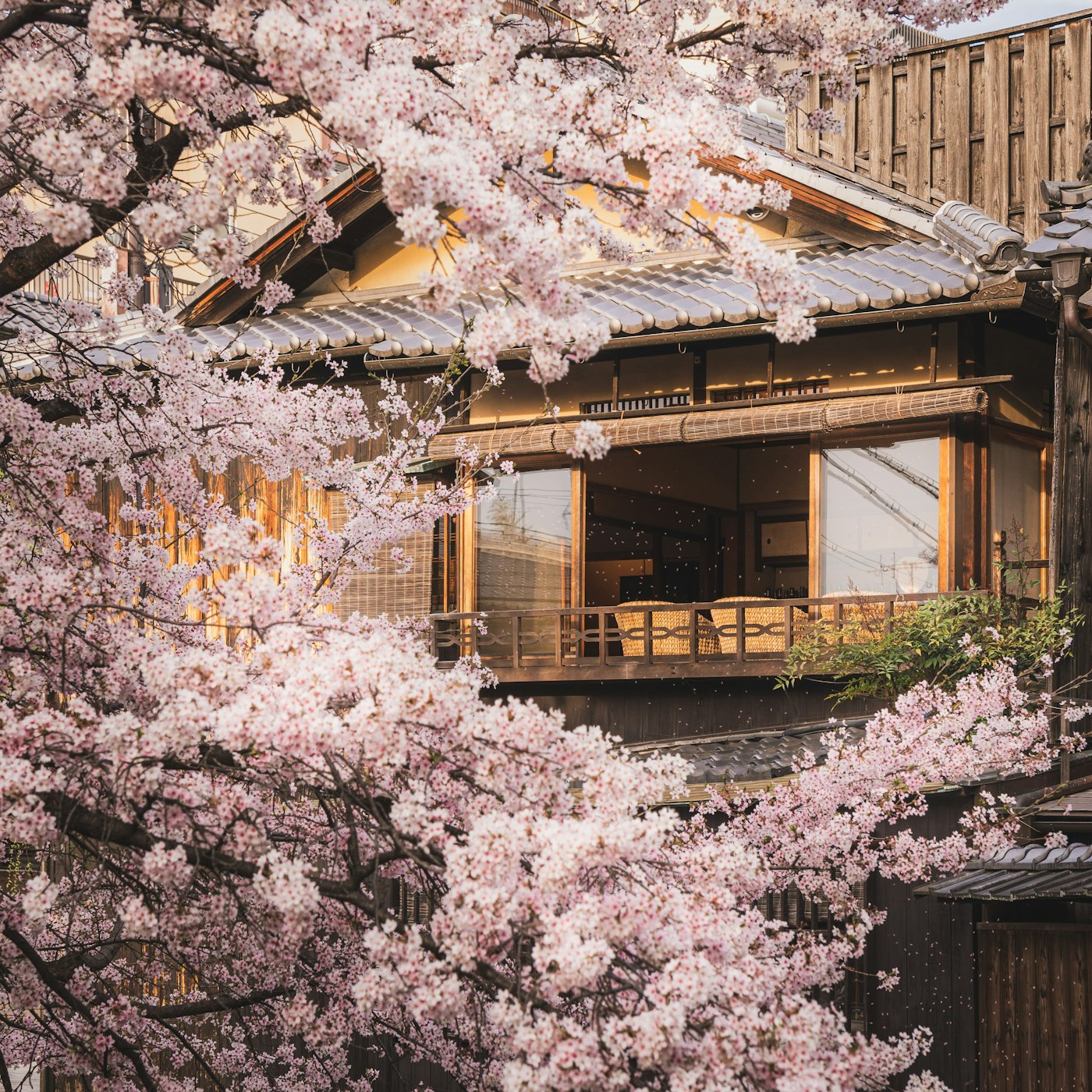
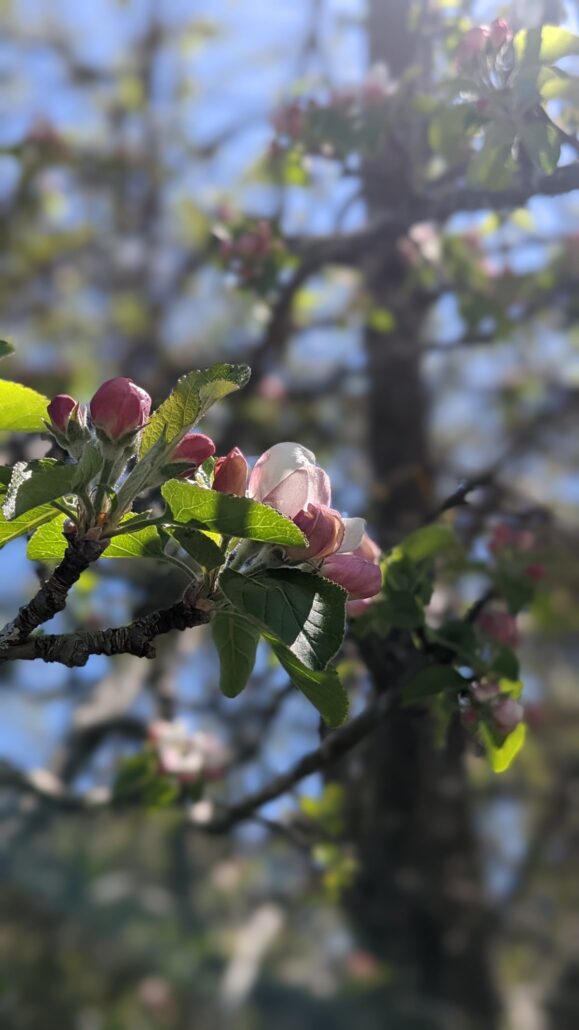
Spring is just around the corner at Shizuka Ryokan, the blossoms are budding, and excitement is building.
Japanese tradition honours the seasons and the natural world. In the book A Flower Lover’s Guide to Tokyo, Sumiko Enbutsu explores fifteen iconic flowering plants. Enbutsu writes, ‘Of all the natural phenomena, nothing marks the seasons more than flowers.’
The author explains the historical and cultural background
of each species, and outlines walking routes of Japan’s capital that take in
the best spots and seasons to enjoy the blooms.
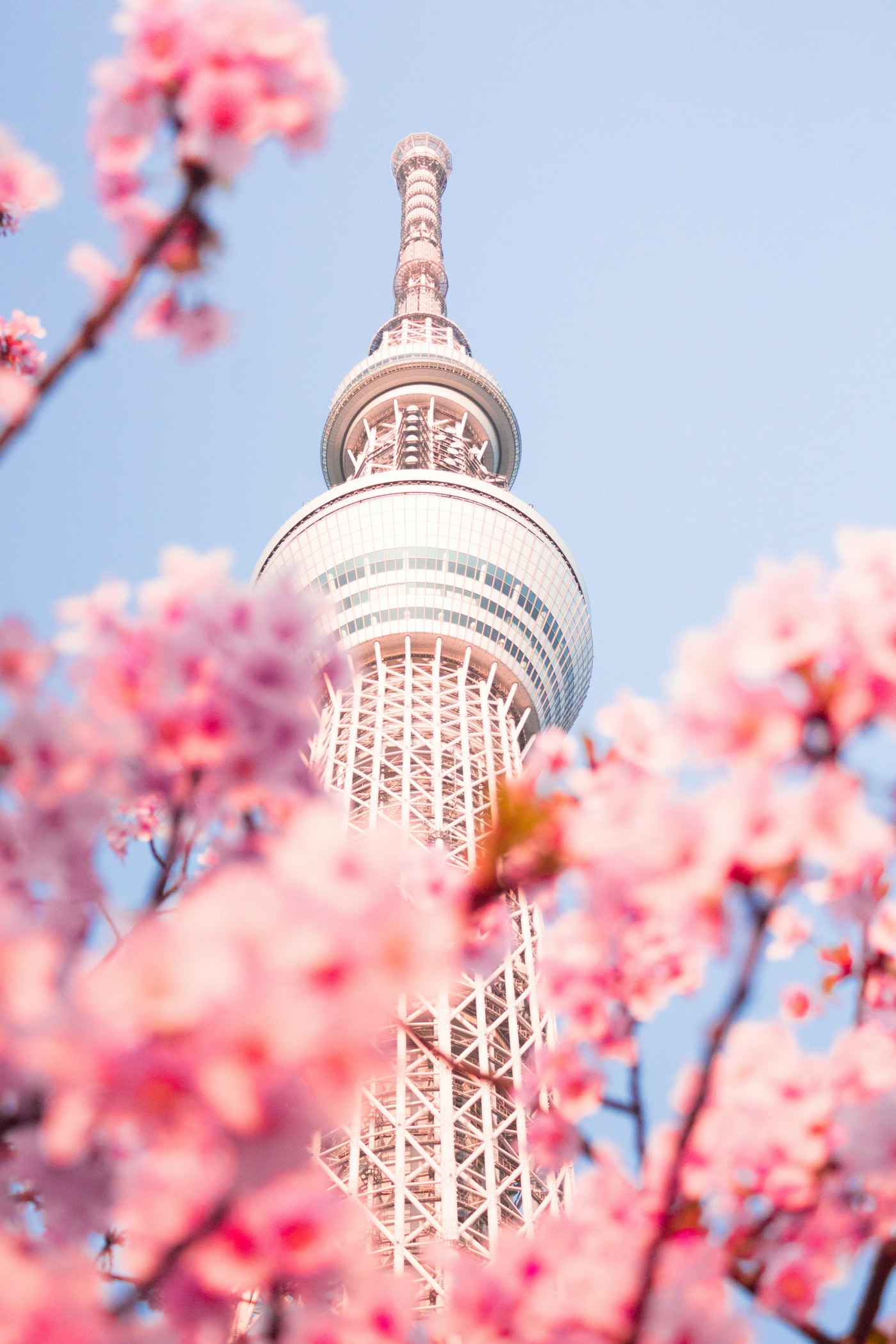
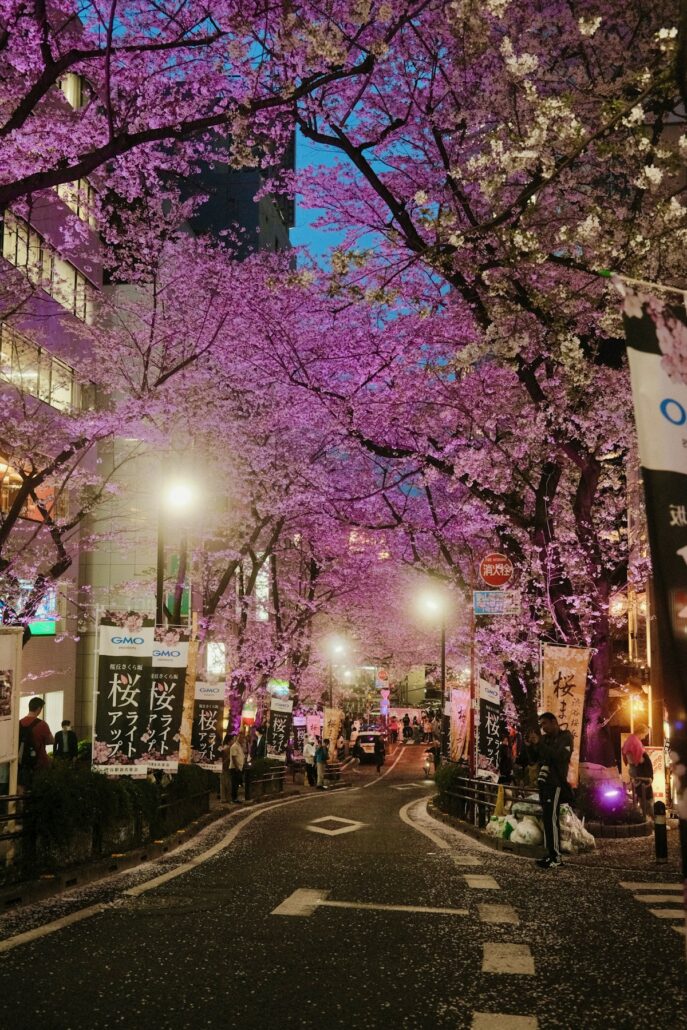
A Flower Lover’s Guide opens with the sakura—the cherry blossom, revered in Japan for its beauty and transience. Hanami is the Japanese tradition of admiring the blossoms in spring—usually cherry, and sometimes plum.
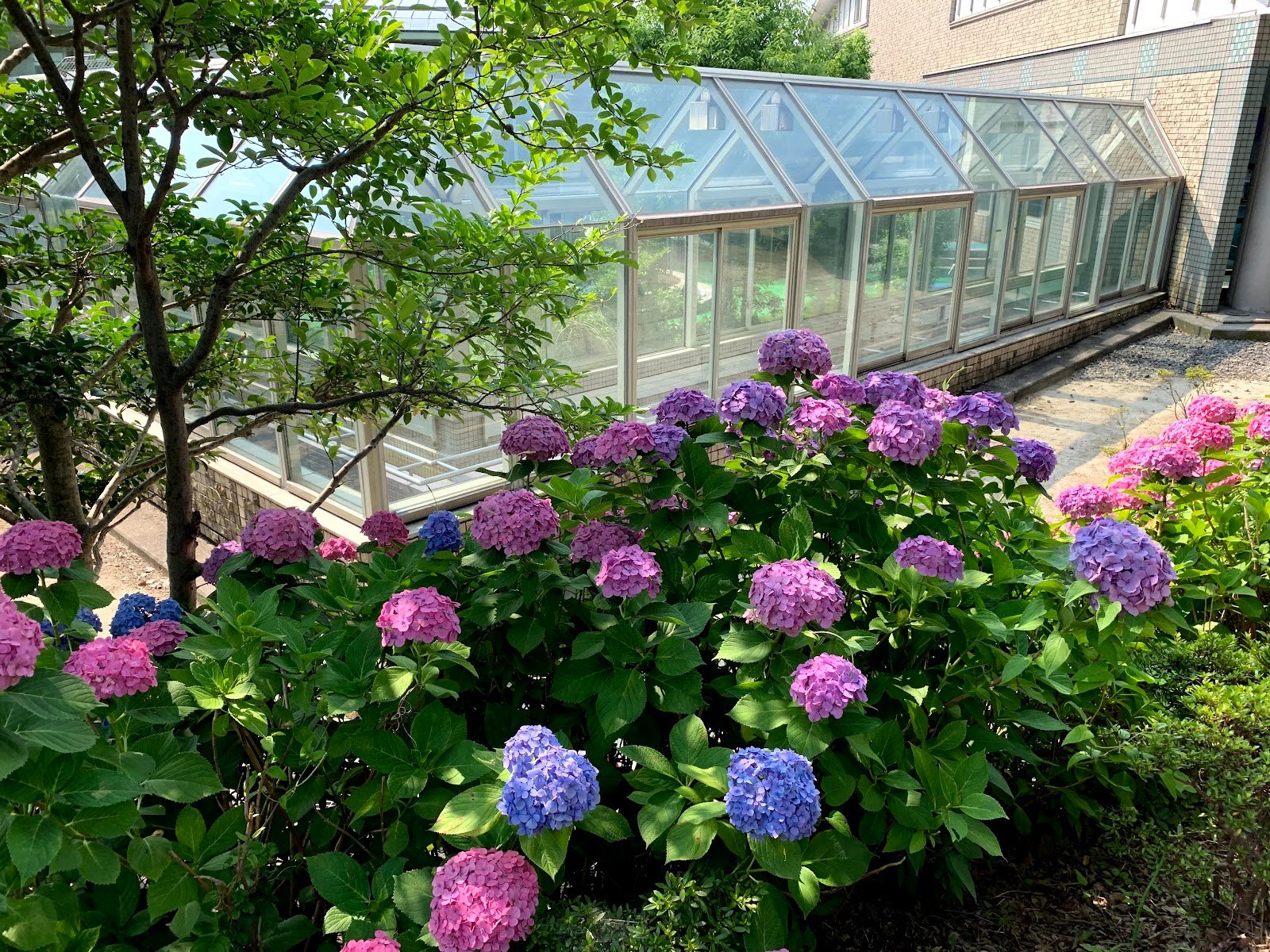
If you can’t make it to Japan in spring 2020 don’t despair—of the fifteen flowers in A Flower Lover’s Guide, eleven are growing at Shizuka Ryokan: cherry blossom, azalea, tree peony, wisteria, iris, morning glory, maple, pine, narcissus, plum blossom and camellia.
Now is the perfect time to book a 2020 trip to Japan. Australia’s autumn corresponds with Japan’s spring. Spring is the most popular time of year for people to visit Japan, so be sure to book your flights and accommodation well in advance. (Golden Week is a national holiday in Japan that will run from April 29 to May 5 in 2020. This is a peak time for travel in Japan and may drive up hotel rates.)
In Japan, spring is sakura—cherry
blossom—season. The blossoms start to flower in the south in Okinawa, and the
blossom season travels northward. The cherry blossom season only lasts for a
few weeks, but spring typically lasts from March to June.
The sakura,
or cherry blossom, is revered in Japan for its beauty and transience. Hanami is the spring tradition of
admiring blossoms—usually cherry, and less frequently, plum. People in Japan
take blankets to the park and hold blossom viewing parties while drinking sake.
You can download apps to track the elusive blossoms.
Japanese cuisine takes its cues
from the seasons. Spring menus feature takenoko—bamboo shoots, sansai—mountain
vegetables such as warabi—fiddlehead fern. Asparagus, spring onions, mizuna
and sato-nishiki—a prized type of cherry—are available in spring.
May is the beginning of matsuri—the festival season. Temples take their kami—gods—out on mikoshi—portable shrines—in decorative parades. One of Tokyo’s three annual sumo tournaments takes place in mid-May at Ryogoku Kokugikan—the national sumo stadium.
The five element philosophy teaches that one fosters health by eating foods that correspond with the seasons. The five element theory originated in China and spread to Japan. The theory is based on five seasons. Each season corresponds with an element, environment, organ pair, flavour and emotion. (The five elements relate to each other in terms of cycles but we won’t go into that now.)
Foods to support the kidneys and bladder during winter
Winter is the season of the kidney and its partner organ, the bladder. Chinese Medicine considers that kidney deficiency is an underlying cause of many ailment, including frequent urination, lack of energy, memory loss, lower back and knee pain, heel and ankle pain, swollen ankles, low libido, impotence and severe menopausal symptoms.
The appropriate flavour for this season is salty. Try to incorporate foods that taste salty such as seafood, beans, bone broth, miso, tamari, and pickles. Beneficial foods include flax, pumpkin, sunflower seeds, black sesame seeds, walnuts, chestnuts, barley, millet, and deep green vegetables. The herb Rehmannia is of benefit here.
At Shizuka Ryokan, in winter we serve yuzu scallops. Scallops are the perfect tonic for the kidneys.
Japanese culture honours the seasons. Japan is a mountainous country of islands stretching from the Sea of Okhotsk in the north to the East China and Phillipine Seas in the south. Japan experiences five distinct seasons due to the wide variation in geography and climate: summer, autumn, winter, spring and tsuyu—the rainy season. The Japanese pay close attention to the blessings of each season, and practices have evolved to honour seasonal change.
Starting around Shogatsu—the New Year—icy winds bring snowfall to a large area of Japan stretching from Hokkaido Island in the north to the Hokuriku region of Honshu, the main island of Japan. (It does not snow in Okinawa Island in the south.) Heavy snowfall does not start until later in the year, sometimes in February. On the north island up to four metres of snow may fall in a season.
Spring is sakura—cherry
blossom—season. The blossoms start to flower in the south in Okinawa, and the
blossom season travels northward. The cherry blossom season only lasts for a
few weeks, but spring typically lasts from March to June.
Next comes tsuyu—the fifth
season. It pours rain. The start and end of the rainy season varies, but people
usually avoid travelling to Japan during the last two weeks of June.
After tsuyu—the rainy
season—ends the whole of Japan, with the exception of the northern island
Hokkaido, enters a season of high humidity and temperature. Summer runs from
July to September. Miyazaki mangoes and Kyushu papayas appear at the market.
Typhoon season ravages Okinawa in the south.
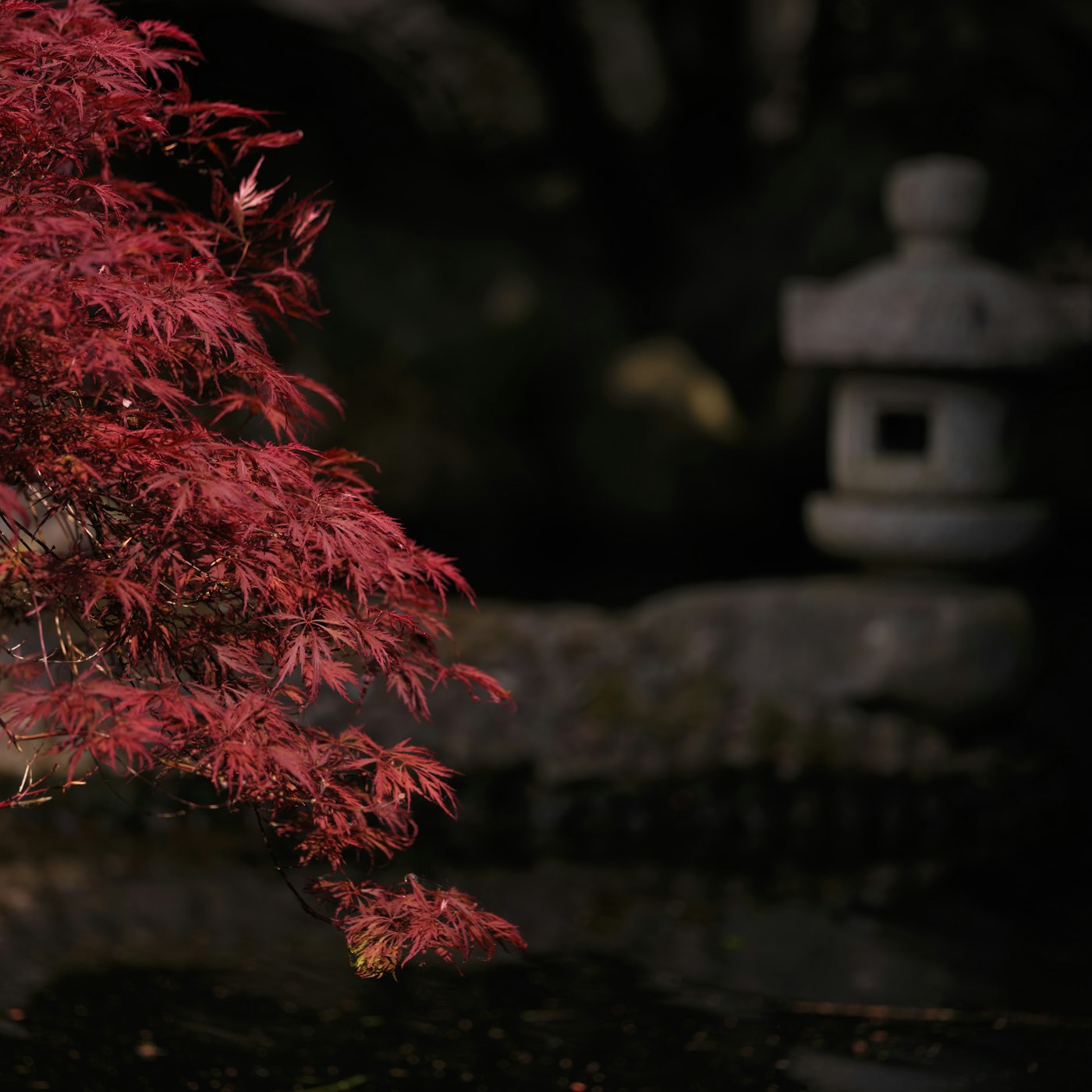
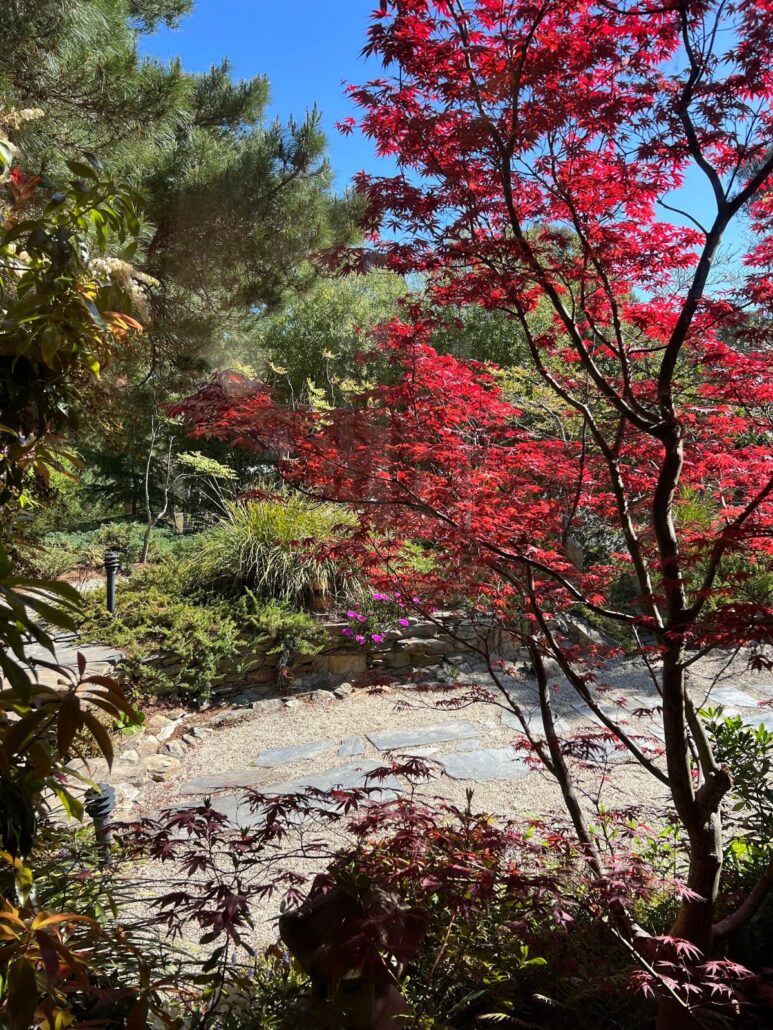
In autumn, leaves change colour
to gold and red, and people forage for mushrooms and harvest rice, apples,
nashi and persimmons. Momijigari—maple viewing—is
the tradition of visiting areas where maple trees have turned red. The days
gradually grow darker and colder and autumn turns to winter once more.
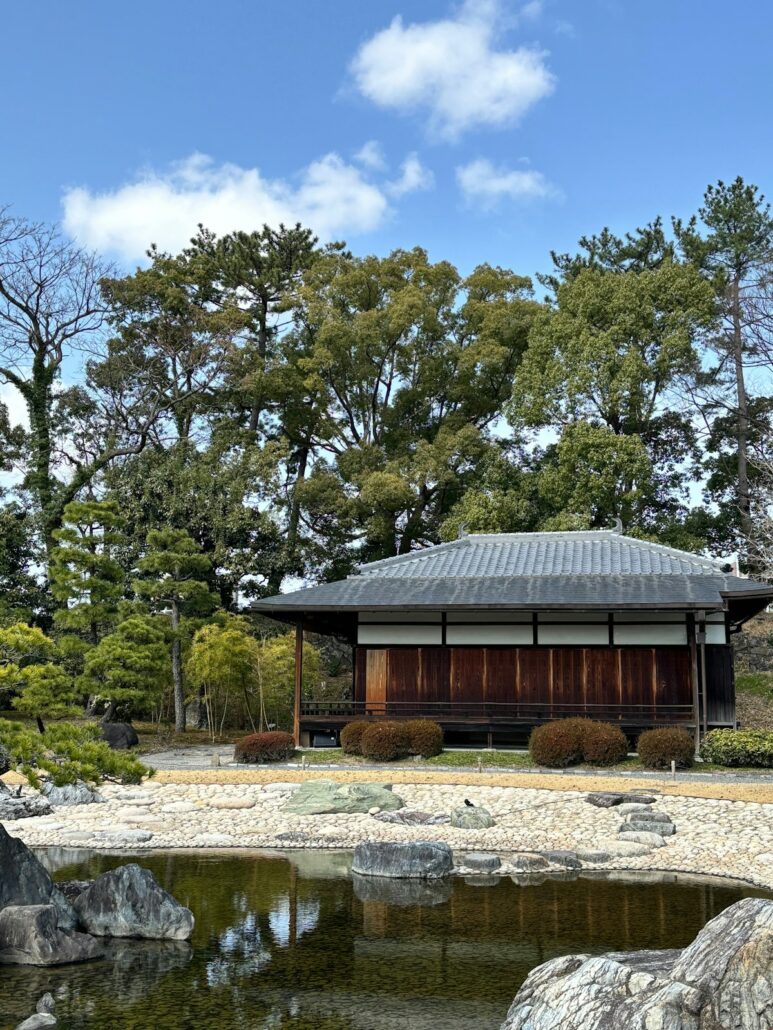
At Shizuka Ryokan we have adopted
the Japanese practice of honouring the seasons, with a southern hemisphere
twist. In the guestrooms, flowers are changed in accordance with the seasons. Two
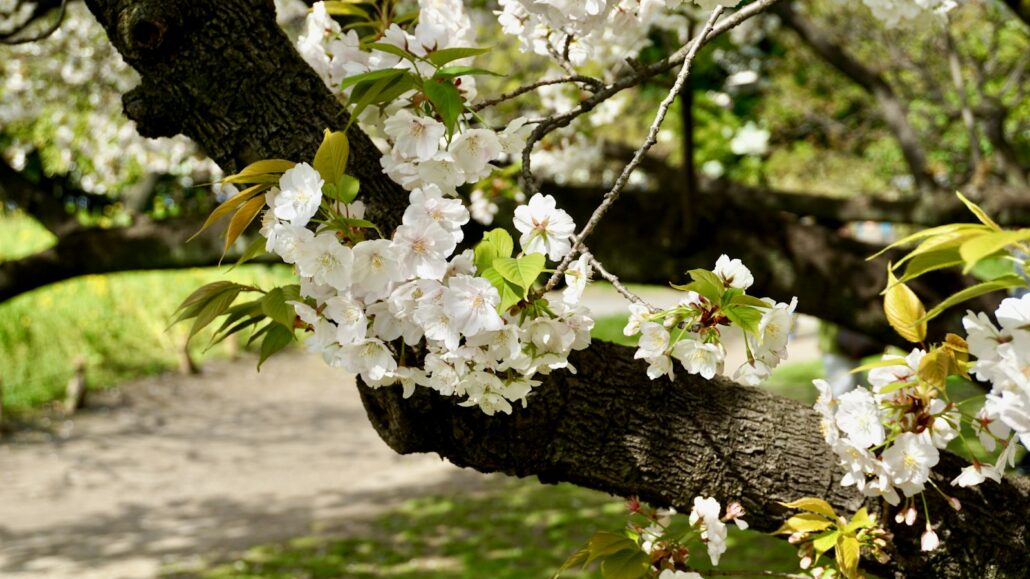
seasons ago, our gardener planted cherry blossoms, with the aim of celebrating hanami—the
cherry blossom festival—at Shizuka in the spring.
We have a seasonal yin yang go gyo yoga retreat with Lars Skalman and Cate Peterson planned for spring that ties in perfectly with the five seasons of Japan. Shizuka’s shiatsu practitioners are trained in five element shiatsu—a philosophy that encapsulates the Japanese concept of the five seasons.
At the time of writing, our menu reflects the seasons, with delicious edible pine mushrooms gleaned from the pine grove just outside the kitchen.
In Japan during Touji–winter solstice–people take yuzu baths. Winter solstice falls on June 22 in Australia this year. Yuzu is a Japanese citrus fruit. Yuzu baths are believed to purify the body and soul. Here at Shizuka, we foster the Japanese yuzu bathing tradition by providing yuzu & hinoki bath salts with each overnight booking.
People have been known to fall in love with Shizuka Ryokan when they taste the matcha shortbread that we serve upon arrival.
250g butter (room temperature) ¼ cup caster sugar ⅓ cup cornflour ⅓ cup icing sugar Rind from one grated lemon 1-2 teaspoons of matcha green tea powder 2⅓ cups of gluten-free plain flour
Heat oven (fan forced) to 160°C Cream butter and sugar. Add vanilla essence, lemon rind, cornflour, icing sugar and matcha. Beat until well combined and creamed. Fold in flour and mix well. Roll out on floured surface until required thickness. Use cookie cutter to cut biscuit shapes. Place on baking paper on tray. Keep rolling and cutting until finished. Cook in oven for approximately 30 minutes. Cool on tray
Catherine Defina is the owner and manager of Shizuka Ryokan. Perhaps you have encountered Catherine (who wears red Swedish hiking pants) and her dog Cleo (who wears a checkered jumper) walking around the grounds of Shizuka, or spied her preparing sashimi through the kitchen door.
Prior to taking over Shizuka Catherine was pursuing a corporate career. She worked for a Swedish company as a general manager in the healthcare sector. It was during this role that she lived in Japan for four years, “That’s where I fell in love with Japanese culture and way of life.”
By early 2012, Catherine sensed that the corporate world was no longer the place for her, “Moving to Japan changed my life, totally.” She travelled to San Diego to undertake the Perfect Health Program at The Chopra Center. “That was my introduction to meditation. They said if there’s only one thing that you take away from this program and keep doing — meditate twice a day. So I did. And it changed everything for me.” Back in Sweden, meditating twice a day, Catherine was trying to do a password retrieval when she noticed an email saying somewhere she had never heard of called Shizuka was for sale.
Catherine is passionate about hospitality. A visit years ago to Chiva Som, a health spa in Thailand, left a deep impression on her. Catherine realised that it was a lovely place to be because the general manager was always on the floor, “He was just ever-present.” Catherine says, “I’d always said to my husband at the time that I’d always like to do something like that. There was something in me that knew I would be good at making the experience really special for the guests and staff.” So when Catherine saw that Shizuka Ryokan was for sale she had a feeling. She thought that with just six guestrooms it was small enough that she could try it out.
In March 2015 Catherine was a guest at Shizuka. She didn’t let on to the owners Peter and Margie that she was a potential buyer. She was impressed, “I felt like I’d woken up in Japan. I felt this is real; this is authentic and I reckon I can do it.” In July 2015 Catherine moved back to Australia. Despite doubts she decided to buy Shizuka, “The heart knows better than the head.” The process from deciding that she wanted to do it to taking over Shizuka was a lengthy one. In November 2016 Catherine took over.
At Shizuka Catherine prepares traditional Japansese cuisine. Prior to living in Japan she had never cooked in her life but she points out, “I had a subscription to Donna Hay magazine. I must have had some sort of latent desire to be a chef that I was suppressing!” When she moved to Japan she lived alone for the first time in her life so she had to cook. “When you live in Japan it costs an absolute fortune to cook western ingredients so I started cooking Japanese food.”
Catherine points out that teaching herself how to cook Japanese had some interesting side benefits. One night she tried to shallow fry something in olive oil. Olive oil has a low smoking point but Catherine was new to cooking and didn’t know that, “The exhaust fan didn’t cope. I set the smoke alarm in the whole building off. The elevator stopped working.” Catherine went downstairs in her slippers and apron to find the reserved elderly building manager to explain to him that the building wasn’t on fire. He accompanied her back to her flat and noticed the mackerel tatsuta-age. “All of a sudden I had this totally different relationship with him.” He encouraged Catherine’s attempts to cook Japanese. The encouragement spread to the team of people that she managed,“My whole team were Japanese. In the morning they would ask ‘What did you cook for dinner last night?’ I was no longer your average expat, I was actually trying to fit in with the Japanese culture.”
Once Catherine decided to learn how to cook Japanese she went for it, “I immersed myself in what I needed to know.” In the town of Seki, Gifu she found chef Shuji and the Ozeki Cooking School. Under Shuji’s guidance, and over weeks of study, Catherine dove into Japanese cuisine. Just before taking over Shizuka she went back to Japan and did a follow-up immersive course at the Ozeki Cooking School to get ready for her first adventure as a cook. While there Shuji advised, “Catherine I’ve taught you everything I can teach you. Now what you need to do is cook.” Catherine has been cooking at Shizuka for over two years now. She will be returning to Shuji’s teaching in the future to grapple with what she calls her weak points,“I’m after tempura perfection. ”
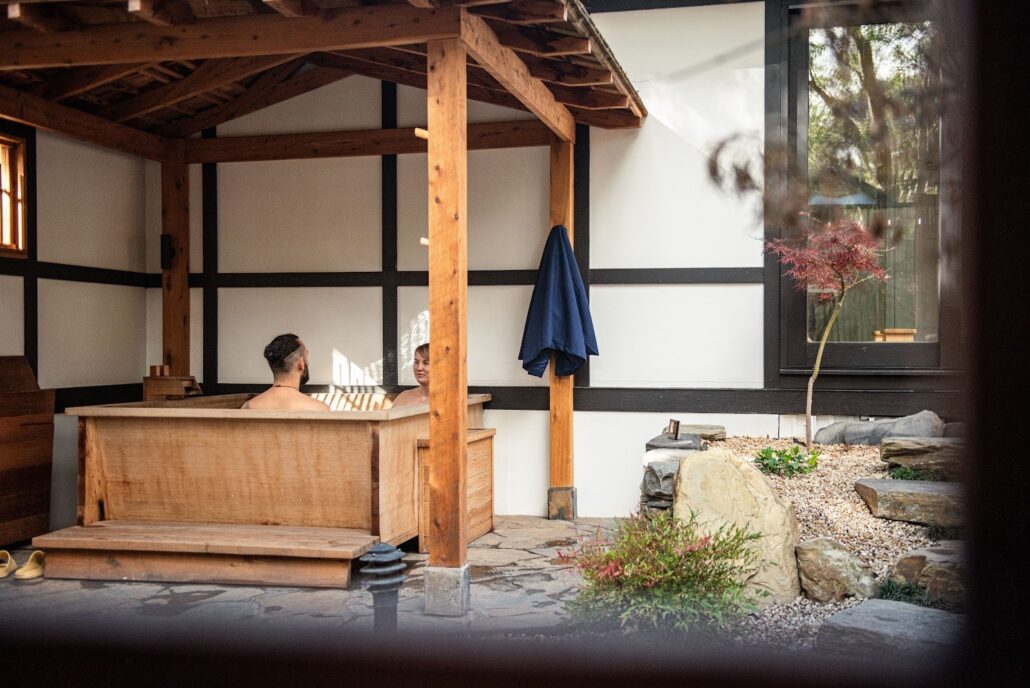
It is two years since Catherine took over Shizuka and she is excited, “This isn’t any old guesthouse in any old tourist town. This is really quite special.” She has big plans for Shizuka. For example, she intends to build an onsen so that guests and members of the public can experience traditional Japanese bathing under the pines. In collaboration with the groundskeeper she has begun plans for hanami, or cherry blossom parties, “The first of the cherry blossoms went in last winter. Next winter I’ll plant 20 more.” She has introduced yoga and meditation classes to the resort. “It is a private class. Three hours worth with Riki Edelsten.”
Catherine sips tea and looks around across the row of bearded iris, “So much potential.”
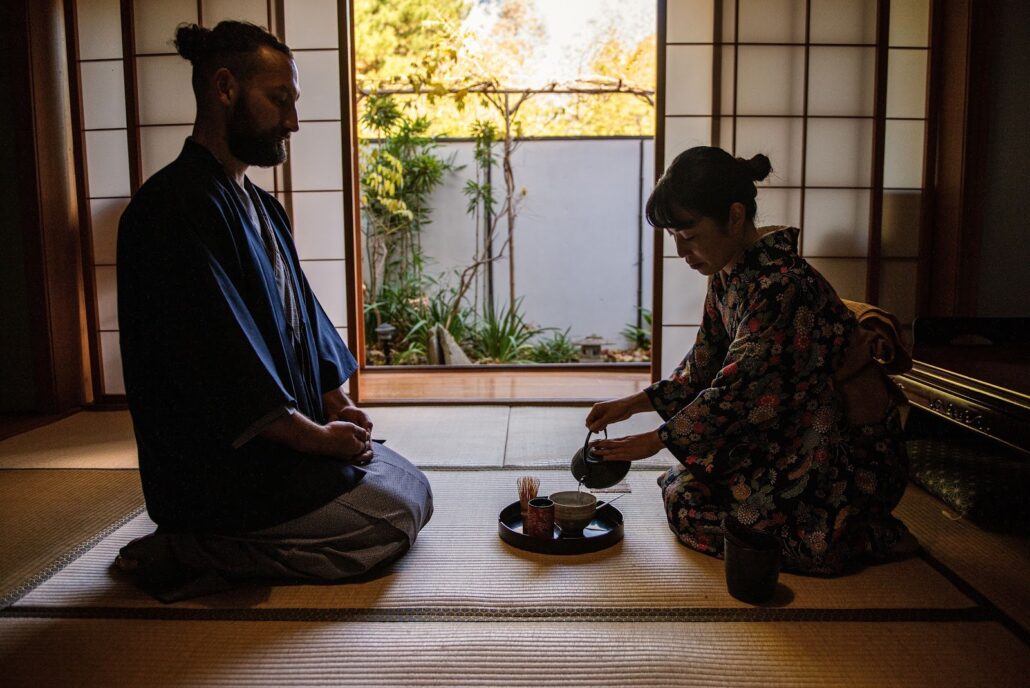
At Shizuka Ryokan we have an insatiable appetite for Japanese traditions. Whether it be Japanese cookery, Boro stitching, Sumi-e painting, Calligraphy, Ikebana, Seasonal Yoga Retreats, Sake tasting, Furoshiki, Japanese gift wrapping, Wagashi, Origami, Mizuhiki, Temari, Japanese book binding, Japanese tea ceremony, Kokedama, Kimono wearing, or SAORI weaving–you will find a workshop at Shizuka.
Sashiko
On Sunday, February 10, we were thrilled to host Leanne O’Sullivan from Kimono House for a 1-Day Sashiko Intensive.
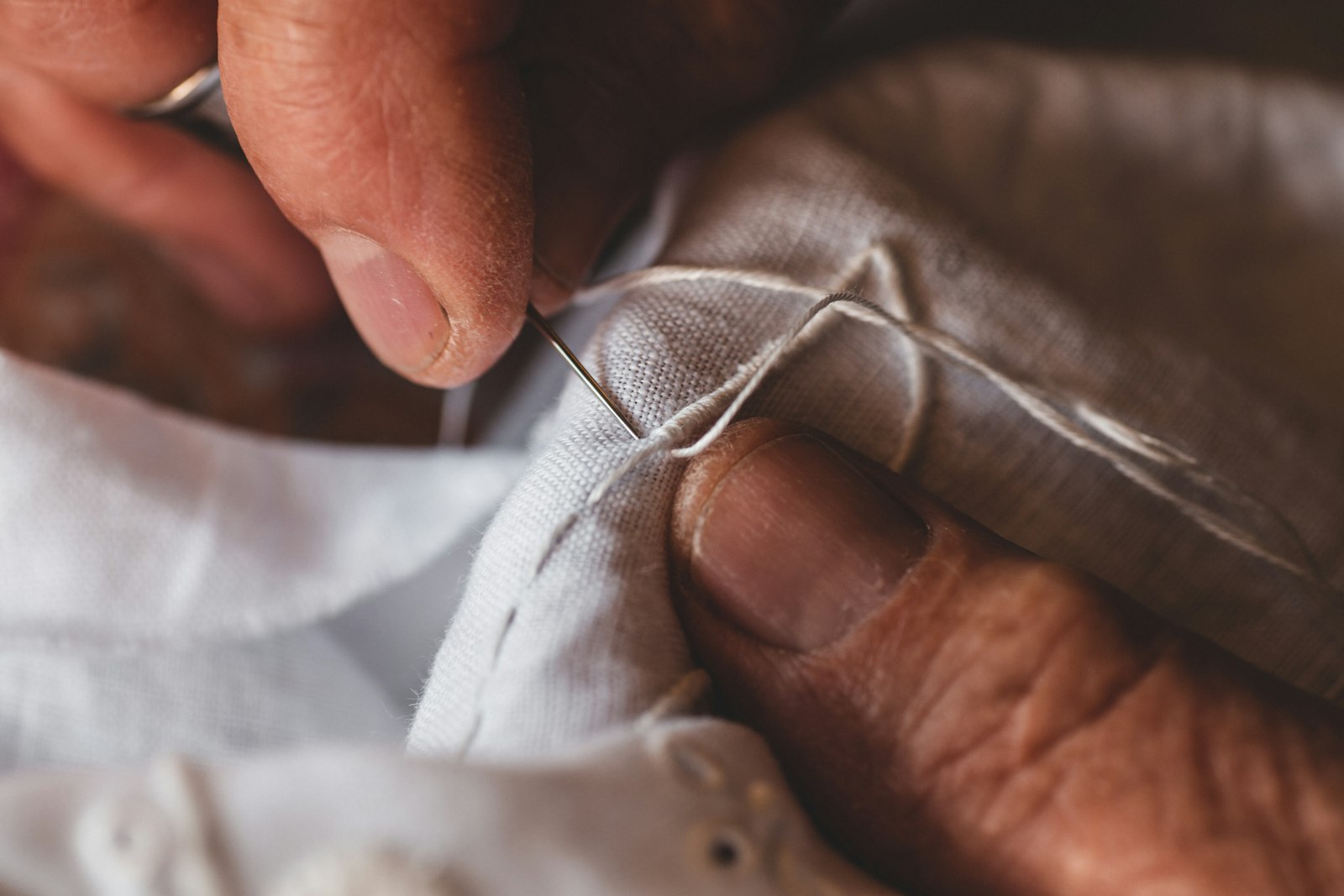
Sashiko is a form of embroidery that originated in Japan during the Edo period (1615-1868). Originally, sashiko stitching was used to reinforce points of wear or to darn tears in clothing with patches, making the clothing more durable and warmer. (Japan has a culture of reusing and recycling, and a word, mottanai, which conveys a sense of regret over waste.) By the Mejii era (1868-1912) sashiko was a common form of winter work in farming communties, when it was too cold to work outdoors.
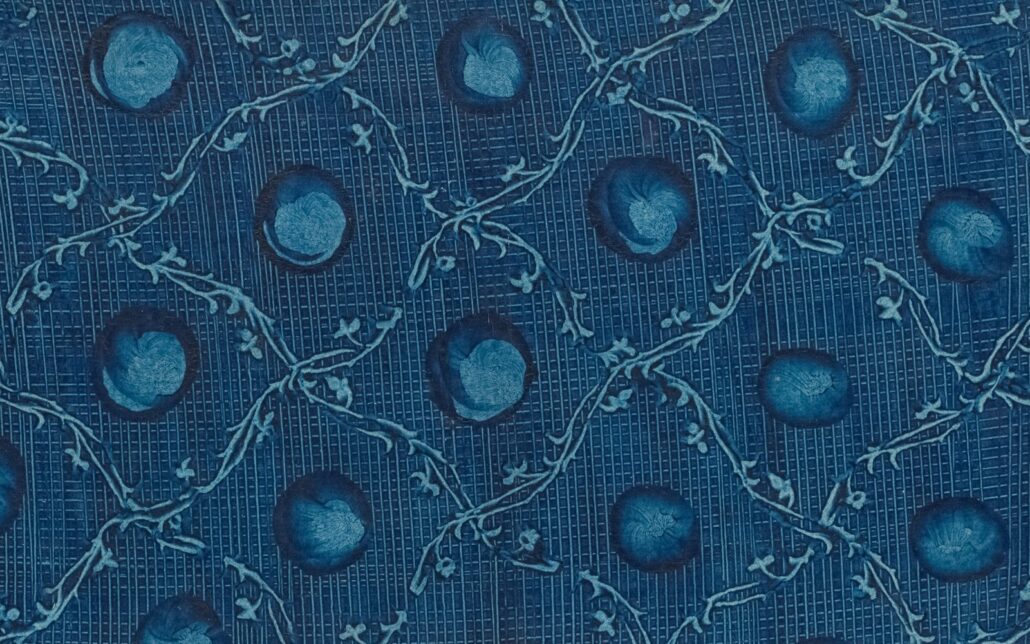
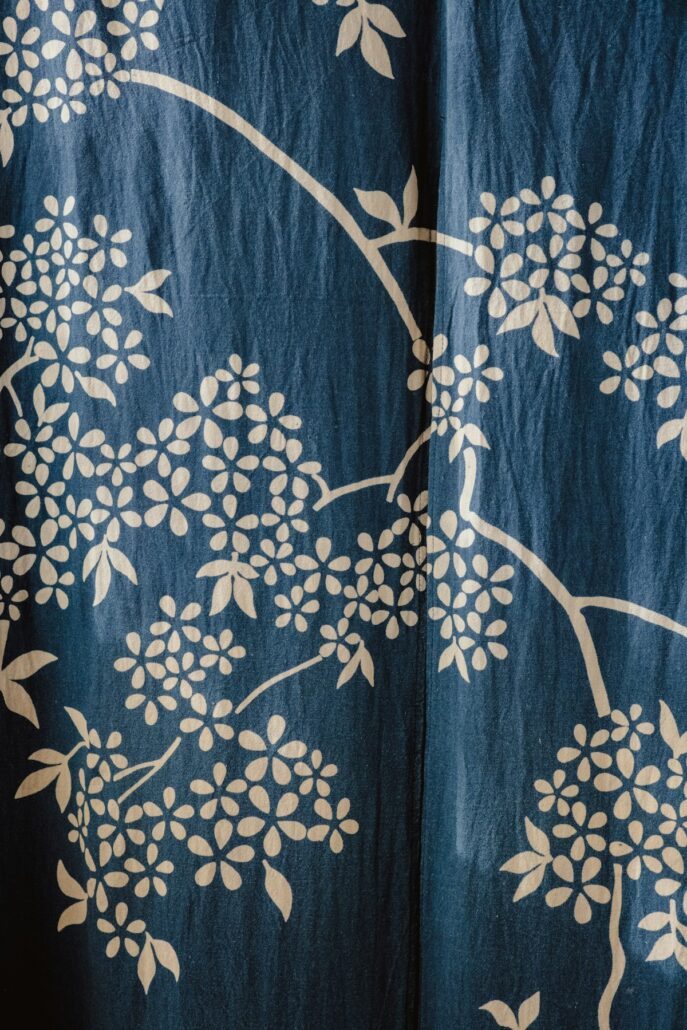
Sashiko evolved to become a decorative quilting and embroidery stitch that features white cotton thread on traditional indigo blue cloth. The word sashiko means ‘little stabs’ or ‘little pierce.’ There are two main styles of sashiko: moyozashi, in which geometric patterns are created with long lines of running stitches—and hitomezashi, where the pattern emerges from the alignment of single stitches on a grid.
The artist Katsushika Hokusai (1760-1849), published New Forms for Design in 1824, and many of these designs are used in sashiko patterns today. Sashiko stitching depicts things such as Yarai (bamboo fence), Uroko (fish scales), Amime (fish nets), Kaki no Hana (persimmon flower) and Hirayama-Michi (mountain passes).
About the teacher
Leanne first visited Japan in the 1980s, where she lived and worked for 5 years. It was during this time that she became interested in Japanese textiles, and the kimono in particular.
“Whilst living in Japan I was constantly inspired by the extreme contrasts around me—everywhere I looked there seemed to be a mix of traditional and contemporary co-existing beautifully.”
This contrast is evident in Leanne’s pieces, which combine new and vintage fabric, and traditional and contemporary design. These days, Leanne runs Kimono House Japanese Textiles & Craft —where she trades Japanese textiles and craft kits, teaches workshops and exhibits her collection of Japanese textiles.
To stay up to date with upcoming workshops and events at Shizuka Ryokan be sure to sign up to our bimonthly newsletter, and follow us on facebook and instagram