

A ryokan is a traditional Japanese inn, typically located near onsen, or hot springs. The first ryokan, Nishiyama Onsen Keiunkan, was founded in 705 A.D. It is considered the oldest hotel in the world. Today, there are more than 50,000 ryokans in Japan. (more…)
Category: News
-

Hanami Festival: Japanese traditions
The sakura, or cherry blossom, is revered in Japan for its beauty and transience. Hanami is the spring tradition of admiring blossoms—usually cherry, and less frequently, plum. People gather under the blossoms for food, drink and song. (more…)
-
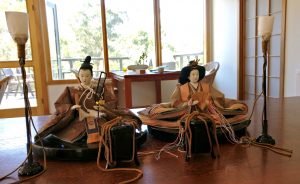
Hina-matsuri: Japanese traditions
Hinamatsuri (雛祭), also known as Doll’s day or Girls’ Day, is celebrated on March 3. On this day, platforms—hinadan—are covered with red material and used to display ornamental dolls. The dolls represent the Emperor, Empress, attendants and musicians, in the traditional court dress of the Heian period. (more…)
-

The health benefits of a Japanese diet
The Traditional Japanese breakfast served at Shizuka Ryokan exemplifies Japanese cuisine. Grilled salmon, hijiki seaweed, miso, pickled daikon radish, umeboshi plum and furikake seasoning are regular features around here. Not only are these foods delicious, they are beneficial to health. (more…)
-

Valentine’s Day and White Day: Japanese traditions
Did you forget to buy your lovely lady some flowers last Valentine’s Day? Shizuka Ryokan forgives you; you were probably just following Japanese tradition.
In Japan men don’t have to worry about shopping for jewellery or flowers in February because Valentine’s Day is celebrated differently there; for the Japanese, Valentine’s is a day when women shower men with chocolates. (more…)
-
Farmers’ markets near Shizuka Ryokan
You might be in for a treat—your visit to Shizuka Ryokan might coincide with a local farmers’ market. Farmers’ markets enable personal connections between growers and consumers. By cutting out the middlemen, local growers receive more food dollars and shoppers receive fresh, in season produce which supports the local community. To learn more visit the Australian Farmers’ Markets Association. (more…)